
Modeling is one of the most important ways to help a learner understand how to use an AAC device. In AAC, modeling means that the communication partner uses the device while talking, so the learner can see how words are found and used during real communication. ASHA describes this as augmented input, aided language stimulation, or aided language modeling. (ASHA)
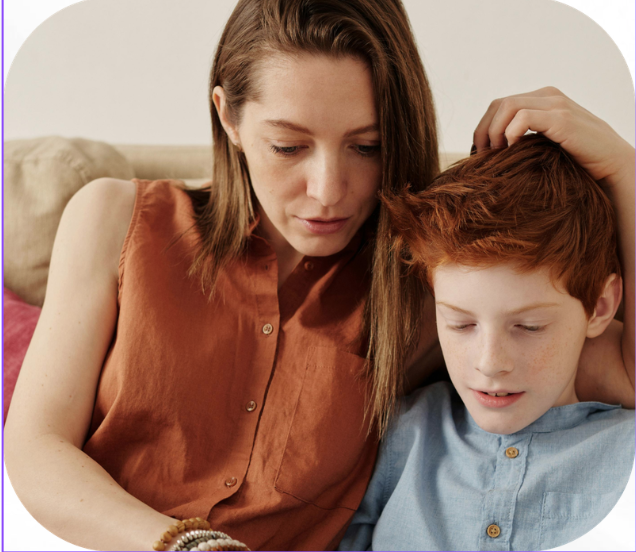
What modeling looks like #
When you speak, also press one or a few matching words on the learner’s device. For example, during snack time, you might say, “Want more?” while selecting want or more on the device. The goal is to show the learner how words can be used in everyday situations, not to test them or force an immediate response. (ASHA)
Model during real activities #
Modeling works best when it happens during meaningful routines and interactions, such as:
- meals and snacks
- playtime
- reading
- transitions
- classroom activities
- favorite games
- daily routines
ASHA recommends embedding AAC into natural environments and everyday routines so communication practice happens throughout the day, not only during therapy. (ASHA)
Start small #
You do not need to press every word you say. In many cases, modeling just one to three key words is enough. Start with useful, high-frequency words that can be used often across activities, then expand over time. ASHA specifically recommends starting with a few familiar or core words and growing vocabulary gradually. (ASHA)
Use the learner’s device when possible #
Whenever possible, model on the learner’s own device. This helps reinforce where words are located and supports familiarity with the layout. ASHA notes that modeling on the child’s AAC device can help reinforce word location and vocabulary learning. (ASHA)
Model without pressure #
The learner does not need to copy you right away. Modeling is about giving language input, just like spoken language learners hear words many times before using them independently. Focus on showing, repeating, and making communication meaningful rather than demanding imitation. (ASHA)
Repeat across the day #
Repeated exposure matters. Seeing the same important words during real activities can help the learner connect symbols with meaning and use. ASHA notes that repetition in natural contexts helps build AAC competence, and its AAC Practice Portal states that augmented input can increase symbol comprehension and, in some studies, symbol production as well. (ASHA)
Keep it functional and motivating #
Model words that are useful in the moment, especially words tied to the learner’s interests, favorite activities, and daily needs. ASHA recommends personalizing AAC to the learner’s interests and daily activities and starting with familiar, meaningful vocabulary. (ASHA)
Give the learner time to respond #
After modeling, pause and give the learner time. Some learners need extra processing time before they respond, imitate, or take a turn. ASHA’s guidance on AAC intervention also emphasizes considering prompting carefully and fading support to build independence. (ASHA)
Helpful examples #
- During snack: model more, eat, drink, or all done
- During play: model go, stop, turn, open, or want
- During reading: model look, like, again, or key story words
- During school routines: model help, bathroom, finished, my turn, or break
Helpful tips #
- model during real interactions, not just therapy
- press a few key words, not every word
- use the learner’s device when possible
- repeat important words often
- keep vocabulary meaningful and useful
- pause and give the learner time
Why modeling matters #
Research reviews have found positive effects for augmented input / aided AAC input interventions on communication outcomes, and ASHA’s Practice Portal notes that this approach can support symbol comprehension and, in some cases, symbol production across a range of ages and disabilities. (ASHA Publications)


